Feed, Screen, Separate & Convey: The Key Stages of Metal Separation in Recycling
Successful metal recovery starts long before material reaches a magnetic separator or eddy current separator. Achieving high recovery rates and product purity requires every stage of the recycling process to work together, from material preparation and feeding through to screening, separation and recovery.
In this guide, we explain how modern recycling plants maximise the recovery of ferrous, non-ferrous and stainless steel metals, and how feeders, screens, separators and conveyors can significantly improve recycling performance.
How Does Metal Separation Work?
Metal separation is the process of recovering ferrous, non-ferrous and stainless steel metals from mixed waste streams. The process typically involves:
- Material shredding
- Controlled feeding
- Screening and classification
- Magnetic separation
- Eddy current separation
- Sensor-based sorting
- Product recovery
The effectiveness of each stage directly impacts recovery rates, product purity and plant profitability.
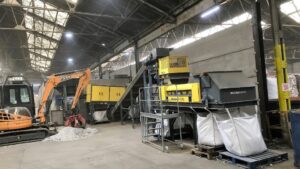
Material Preparation: The First Step in Metal Separation
Material Preparation: The First Step in Metal Separation
Before material ever meets a feeder or a magnet, it must be properly prepared. In challenging waste streams, such as Waste Electrical and Electronic Equipment (WEEE), automotive shredder residue (ASR), or mixed scrap, metals are frequently bound up with plastics, rubber, or wood.
Shredding, crushing and fragmentation are often the first stages of a recycling process. These operations liberate valuable metals from surrounding materials such as plastics, rubber and wood, allowing downstream separation equipment to recover them more effectively.
While Magnapower does not manufacture shredders or size-reduction equipment, our magnetic separation, screening and conveying systems are designed around the material characteristics created during the shredding process.
Proper preparation delivers:
Improved Material Liberation: Freeing trapped metals so magnetic and eddy current forces can react effectively.
More Consistent Feedstock: Reducing irregular size variations that destabilise downstream processing.
Enhanced Sorting Accuracy: Ensuring high-value non-ferrous metals and stainless steel are clearly exposed for sensor detection.
Feed: Why Material Feeding Matters in Metal Recycling
Material presentation is one of the most important factors affecting metal recovery rates. Even the most advanced magnetic separator or Eddy Current Separator cannot recover metals that are buried within deep material layers or unevenly distributed across the belt.
By presenting material consistently across the full working width, recyclers can maximise exposure to magnetic fields and sensor technology, leading to higher recovery rates and cleaner end products.
Magnapower Solution: Vibratory Feeder
Magnapower Vibratory Feeders regulate the flow of incoming material, smoothing surges and metering it evenly onto screens and separators. The result:
Optimised Separator Performance: Allowing magnets and eddy current fields to interact with 100% of the material width.
Higher Sustainable Throughput: Eliminating bottlenecks caused by sudden surges.
Reduced System Blockages: Keeping downstream chutes and hoppers clear.
Screen: Preparing Material for Maximum Separation Efficiency
Screening is often one of the most overlooked stages of the recycling process. After material has been fed consistently into the process, screening helps classify it into defined size fractions before separation.
By removing oversized debris and classifying material into tight, defined size fractions, screening ensures that downstream magnetic and eddy current separators process material strictly within their optimal operating parameters.
Why Screening Matters
Increased Separation Efficiency: Eddy current rotors operate at peak repelling force when particle sizes are similar in size.
Superior Product Purity: Fines and dust are removed before magnetic extraction, preventing cross-contamination.
Equipment Protection: Oversized, aggressive items are caught early before they damage belts or rotors.
Magnapower Solution: Vibratory Screens
Magnapower Vibratory Screens are specifically engineered to classify material accurately and consistently under demanding conditions, setting up the separation stage for maximum yield.
Metal Separation Technologies for Ferrous, Non-Ferrous and Stainless Steel Recovery
Once material has been correctly sized and classified, separation technologies can operate at peak efficiency. Effective separation systems recover valuable metals while maximising product purity and minimising material losses.
Different metals require different technologies to achieve the highest recovery rates and purity levels.
Ferrous Metal Separation
Ferrous scrap (steel, iron) is extracted using high-intensity magnetic fields. Magnapower offers a comprehensive range of ferrous separation equipment suitable for different material streams and applications:
Drum Magnets & Frag Drum Magnets
Non-Ferrous Metal Separation
Non-ferrous metals including aluminium, copper and brass require eddy current technology. Magnapower Eddy Current Separators utilise high-frequency, rare-earth magnetic rotors rotating at high speed to induce powerful repelling forces, ejecting non-ferrous metals clean out of the material stream.
Stainless Steel Recovery
Stainless steel poses a unique challenge because it is weakly magnetic or entirely non-magnetic after processing. The Magnapower Induction Sensor Sorter uses advanced electromagnetic sensors to pinpoint and air-jet eject stainless steel and other resistant alloys, recovering value that traditional magnets leave behind.
Convey: Maintaining Flow and Maximising Plant Performance
Conveyors are often used to move material through processing stages and on to final product collection points. conveying systems play a critical role in maintaining throughput, minimising bottlenecks and ensuring consistent plant performance directly impact overall uptime and plant profitability.
Poorly designed conveyors create bottlenecks, accumulate material build-up, cause belt mistracking, and force unscheduled downtime. A robust, well-integrated conveyor system maintains material velocity and keeps the entire plant running smoothly.
Magnapower Solution: Conveying Solutions
Magnapower Conveying Systems are engineered specifically for the harsh environments of metal recycling. Built to integrate seamlessly with our feeders, screens, and separators, they deliver:
Maximum Plant Throughput: Keeping material moving without sluggish transitions.
Reduced Downtime & Maintenance: Built heavy-duty to resist wear from sharp, abrasive metallic scrap.
Seamless Process Flow: Ensuring ideal presentation at every transfer point.
The Big Picture: A Joined-Up Approach to Metal Recovery
The most efficient recycling facilities take a joined-up approach to material processing. While size reduction is often the critical first step in for complex waste streams, the downstream process is equally important in determining recovery rates and product quality.
By combining effective feeding, accurate screening, advanced metal separation and reliable conveying systems, recyclers can maximise metal recovery, improve product purity and increase the value extracted from every tonne of material processed.
At Magnapower, our equipment is designed to support each stage of this process, helping recycling operators unlock more value from increasingly complex waste streams.
Maximising Value through Integrated Recycling Systems
High-performing recycling plants do not rely on a single piece of equipment. They combine effective material preparation, controlled feeding, accurate screening and advanced metal separation technologies to maximise metal recovery and product purity.
Magnapower designs and manufactures integrated recycling equipment that helps operators recover more ferrous, non-ferrous and stainless steel from increasingly complex waste streams.
From sample testing and equipment selection to installation and aftersales support, our team works with recyclers worldwide to unlock greater value from every tonne processed.
Partner with Magnapower for Complete Metal Separation Solutions
From feed systems and conveyors through to advanced magnetic separation and sensor sorting technology, Magnapower provides complete solutions to help recyclers recover more metal, improve product quality and unlock greater value from complex waste streams.
With decades of experience serving the global recycling industry, our team supports customers with sample testing, plant design, installation, servicing and ongoing technical support.
Looking to improve metal recovery rates?
Contact us to discuss your application or arrange material testing.
Frequently asked questions
Explore our FAQs for clear, helpful insights and the support you need, everything in one place.
What is metal separation in recycling?
Metal separation is the process of recovering valuable ferrous, non-ferrous and stainless steel metals from mixed waste streams using magnetic, eddy current and sensor-based sorting technologies.
What is the purpose of a vibratory feeder?
A vibratory feeder regulates material flow and presents material evenly to downstream equipment, improving separation efficiency and reducing plant bottlenecks.
How are ferrous metals separated?
Ferrous metals such as steel and iron are recovered using magnetic separation equipment including overband magnets, drum magnets and magnetic head pulleys.
How are non-ferrous metals separated?
Non-ferrous metals such as aluminium, copper and brass are typically recovered using eddy current separators that generate powerful repelling forces on conductive metals.
How is stainless steel recovered?
Stainless steel is commonly recovered using induction sensor sorting technology that detects and ejects weakly magnetic or non-magnetic metals from mixed waste streams.
Why is material presentation important?
Consistent material presentation improves the effectiveness of magnets, eddy current separators and sensor sorters by ensuring all material is fully exposed to the separation technology.
How can recyclers improve metal recovery rates?
Recyclers can improve recovery rates by optimising material presentation, implementing effective screening and using the correct combination of ferrous and non-ferrous metal separation technologies.
Other pages you might be interested in