Sustainability in Action: Why Metal Recycling Is Essential For Our Future
Understanding why metal recycling matters is essential for any modern waste‑processing operation. Effective recovery of ferrous and non‑ferrous metals reduces environmental impact, conserves resources and supports a stronger circular economy, all while improving the commercial performance of recycling plants.
March is a major month for sustainability, with Global Recycling Day on 18 March and the UN’s International Day of Zero Waste on 30 March, the world is taking a closer look at how we use, and reuse, our resources. For industries working with metal, these awareness days highlight something we already know: recycling isn’t optional anymore. It’s essential.
At Magnapower, we design advanced magnetic separation technology that helps turn metal waste into valuable resources. This month’s global focus on recycling and zero waste is the perfect moment to show how smarter metal recovery supports both the planet and the economy.
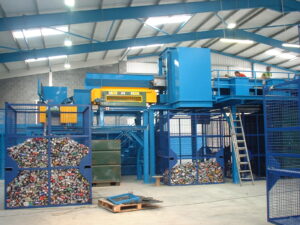
Why Metal Recycling Is Critical Right Now
Protects Natural Resources
Metals do not biodegrade, those left in landfills can corrode and rust, releasing harmful substances into soil, and water. Recycling prevents this contamination and keeps soil and water cleaner.
Slashes Emissions
Mining new metal consumes vast amounts of energy and disrupts landscapes. Recycling reduces the need for raw materials like aluminium, copper, and steel, keeping natural ecosystems intact.
Cuts Pollution
Producing recycled aluminium uses up to 95% less energy than making it from raw ore. The British Metals Recycling Association (BMRA) estimates that metal recycling avoids up to 200 million tonnes of CO₂ emissions every year, while reducing air pollution by up to 86% and water pollution by 76%.
And the best part? Most metals can be recycled over and over again without losing quality. That means every time we recycle, we save energy and reduce the environmental impact.
Recycling is good For Business Too
Sustainability and profitability go hand in hand. Recycling scrap metal is often cheaper than producing new metal, and efficient waste management helps companies cut costs, improve margins, and strengthen their environmental credentials – a growing priority for customers, investors, and regulators.
Type of Metal Waste: What’s What?
To recycle metal properly, it’s important to know what kind of metal you’re dealing with. Metal waste is usually divided into two main groups:
Ferrous Metals
Aluminium, copper, zinc, lead, nickel, and titanium are lightweight, corrosion‑resistant, and excellent conductors. They’re used in everything from drink cans to aircraft components. Recycling them reduces the need for imported raw materials and keeps valuable resources in circulation.
Non-Ferrous Metals
These iron-based metals (like steel) are magnetic, making them easier to separate during recycling. You’ll find ferrous metals in things like cars, buildings, and machinery. These metals can be recycled many times and are widely reused in construction and manufacturing.
Knowing the difference is key to choosing the right recycling process and the right equipment.
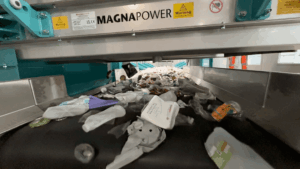
How Magnapower Technology Supports Smarter Recycling
Our equipment help recycling centres recover more metal with greater accuracy and less waste.
Advanced Sorting
Magnetic Separating with machinery such as eddy current separators, overband magnets and drum magnets help separate ferrous and non-ferrous metals from mixed waste. This makes it easier to recover valuable materials and keep the recycling process efficient.
Higher Recovery Rates
Our equipment delivers purer metal fractions, improving the quality and value of recovered materials.
Cleaner Outputs
The more metal you recover the less we need to extract – supporting both environmental goals and economic efficiency.
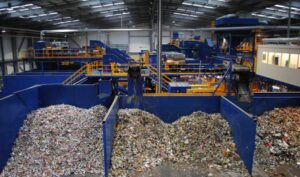
A Circular Economy in Action
Both Global Recycling Day and the International Day of Zero Waste champion the same principle: materials should stay in use for as long as possible.
This aligns closely with the Environmental Services Association’s (ESA) ‘Our Vision For a Circular Economy in The United Kingdom by 2040’, which calls for:
- Reducing waste at the source by using materials more efficiently
- Maximising recyclability and recoverability through better product design
- Improving recycling and waste treatment with advanced sorting and processing technologies
These goals mirror what we see every day: when metals stay in a closed loop – recovered, reused, and never wasted. We protect natural resources, reduce emissions, and strengthen the economy.
Magnapower’s Commitment to a Greener Future
As the world marks two major sustainability awareness days this March, we’re proud to support the shift toward a circular, zero‑waste future. Our magnetic separation systems and ancillary equipment help recycling facilities operate more efficiently, recover more material, and reduce their environmental footprint.
When waste becomes a resource, sustainability becomes reality.
Separators
Advanced magnetic separation systems engineered to accurately recover ferrous and non‑ferrous metals for a more efficient recycling process.
Applications
We deliver metal separation solutions across a wide range of applications, supporting industries that rely on precision, reliability, and proven performance. Our experience spans everything from specialised processes to large‑scale operations, helping customers achieve cleaner materials and more efficient processes.