Engineering Opportunity from E-Waste
From 22–30 November 2025, Europe unites for the European Week for Waste Reduction (EWWR) a continent-wide initiative driving smarter thinking around waste.
This year, the spotlight is on Waste Electrical and Electronic Equipment (WEEE), one of the fastest-growing and most complex waste streams on the planet.
At Magnapower, we don’t just support EWWR we power its purpose. Every discarded device holds potential. Our mission is to unlock it.
Why EWWR Matters
EWWR isn’t just a campaign, it’s a movement. It brings together thousands of actions across Europe to:
- Promote sustainable consumption
- Encourage reuse, repair, and recycling
- Highlight the environmental impact of waste
- Empower communities to make lasting change
With WEEE as the 2025 focus, EWWR shines a spotlight on the urgent need to recover valuable materials from electronics and prevent hazardous waste from polluting our planet.
The timing of EWWR couldn’t be more relevant. From Black Friday to New Year, retailers report a dramatic upsurge in WEEE sales over this period. Despite regulations, millions of discarded devices will still end up in landfill or improperly disposed of, missing the opportunity for recovery and reuse.
Global E-Waste Monitor 2024: The Data That Demands Action
The numbers speak volumes:
- Global e-waste nearly doubled in 12 years, hitting 62 billion kg in 2022
- Driven by rapid innovation, short product lifecycles, and limited repair options
- Just 22.3% of e-waste is formally recycled
- Small equipment (toys, microwaves, e-cigarettes) accounts for 20 billion kg only 12% recycled
- Small IT and telecom devices (phones, laptops, routers) add another 5 billion kg just 22% recycled
- Bulky items like fridges and monitors fare better, but still fall short of full recovery
This is why EWWR matters. It’s time to close the gap between e-waste generation and responsible recovery.
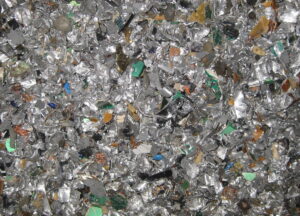
From Collection to Recovery: How WEEE Recycling Works
Recycling WEEE isn’t just about disposal, it’s about precision engineering. Once collected, devices enter a multi-stage recovery process designed to extract high-value materials safely and efficiently.
Step 1: Shredding & Pre-Sorting
Electrical items are shredded into manageable fragments, enabling targeted separation of metals, plastics, and other components.
Step 2: Ferrous Metal Separation
Using advanced magnetic technologies, ferrous metals like steel and iron are isolated:
- Overband separators A powerful magnet is suspended above a conveyor belt. As shredded material passes underneath, magnetic items are pulled upward and diverted into a separate collection area.
- Magnetic pulley separators These feature a magnet embedded in the head pulley of a conveyor. Ferrous items cling to the belt as it rotates, then drop off once they pass beyond the magnetic field.
This step protects downstream equipment and enhances purity across all recovered fractions.
Step 3: Non-Ferrous Metal Separation
Eddy Current Separators take over to recover non-ferrous metals like aluminium and copper:
- A rapidly alternating magnetic field induces eddy currents in conductive metals
- These currents repel the metals, ejecting them into a separate collection zone
This is how we recover:
- Aluminium from laptop and CPU casings
- Copper from wiring, motors, and circuit boards
From Waste to Resource: Closing the Loop
Recovered metals are reprocessed into new materials:
- Zinc from phones used in shipbuilding and galvanising
- Gold from consoles transformed into jewellery
- Iron from appliances reborn as steel cans
This is circularity in action where waste becomes raw material, and landfill becomes avoidable.
Magnapower: Driving the EWWR Mission Forward
At Magnapower, we engineer metal separation systems that:
- Maximise recovery of valuable metals
- Deliver high-purity outputs for reuse
- Minimise environmental impact and landfill
We believe metal is infinitely recyclable. Through innovation, precision, and performance, we’re making that belief a reality – one device at a time.